
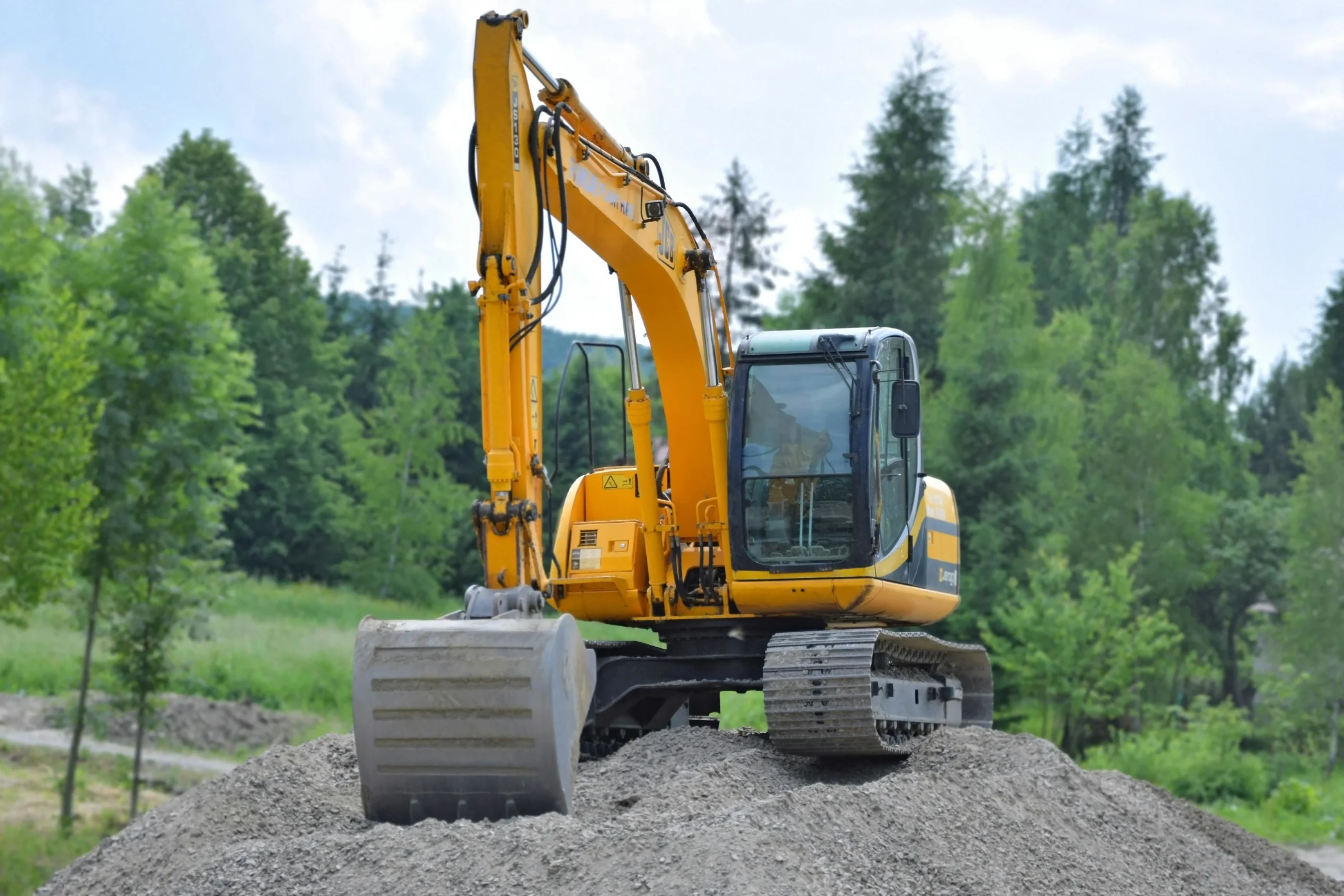
"For foundation work, utility lines, and landscaping, digging depth is a critical specification"
For foundation work, utility lines, and landscaping, often using a mini excavator is essential. To decide which mini-excavator to use, one critical specification is the depth it can dig.
This guide will help you understand the reach of a mini excavator, including its digging depth, versatility, and overall performance.
Understanding the Machine's Digging Reach
What manufacturers actually measure
When a manufacturer lists a "maximum digging depth," they are measuring the deepest point the teeth of the standard bucket can touch when the machine is sitting on a flat surface.
1Micro and Small Excavators (Under 1.5 tonnes)
These are the smallest, lightest machines for tight access projects like backyard landscaping.
Typical Digging Depth: 4.5 to 6 feet (1.4m to 1.8m)
Common Uses:
- Light utility trenches
- Small landscaping projects
- Planting large shrubs or small trees
Example: The Rhinoceros XN08 mini excavator is an excellent micro-digger ideal for small utility trenches.
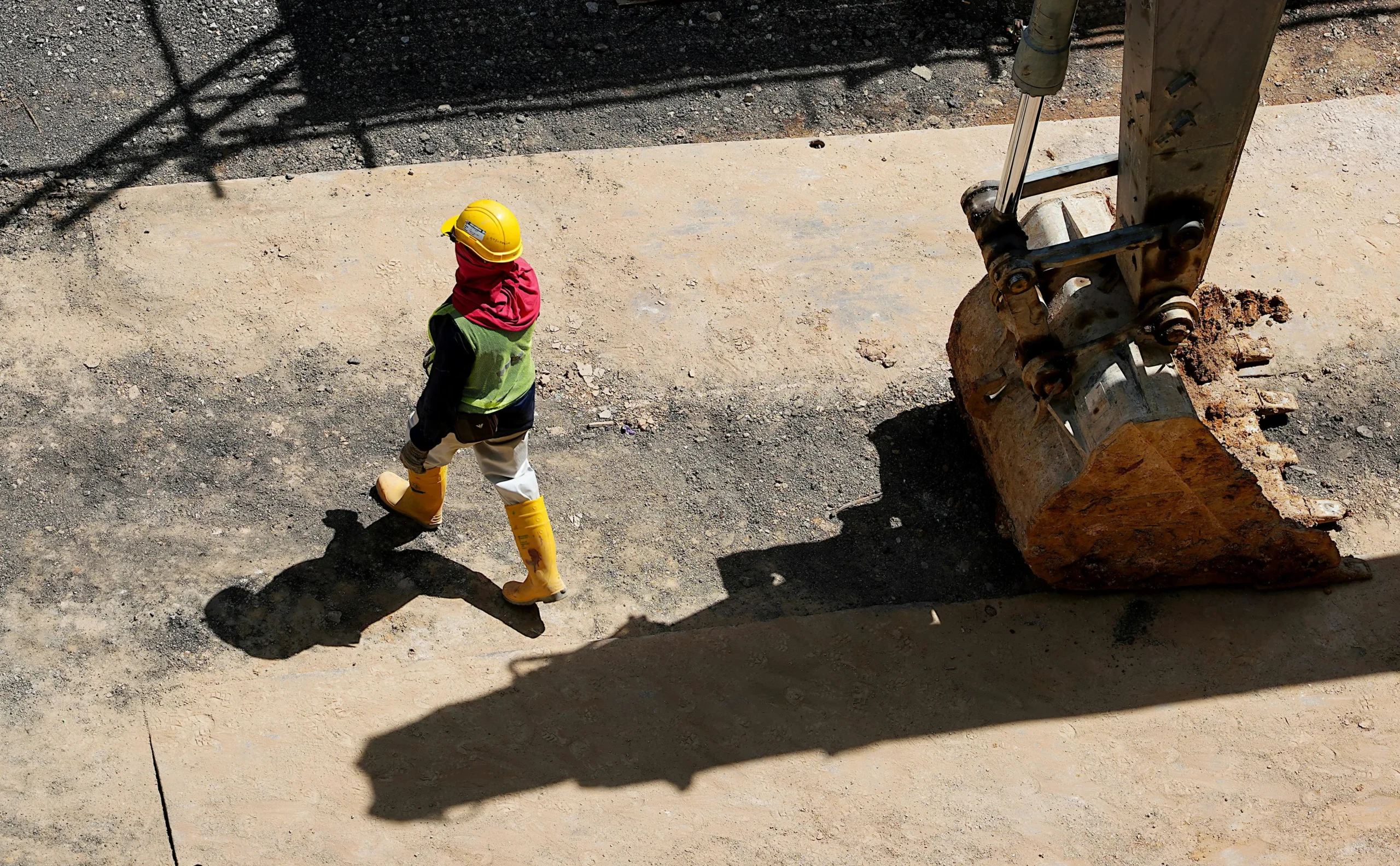
The Rhinoceros XN08 - perfect for tight access projects
2Mini Excavators (2-3 Tons)
The most popular class. Great balance of size, power, and depth for residential and light commercial work.
Typical Digging Depth: 6 to 8 feet (1.8m to 2.4m)
Common Uses:
- Septic repairs
- Foundation drain installation
- Deeper utility trenches
- Small footings and concrete prep
Example: The XN18 offers a significant boost in power and smoothness.
3Larger Compact Excavators (3 to 6 Tons)
These push the definition of "mini." Serious equipment for larger jobs.
Average Depth: 9 to 15 feet (2.4m to 4.5m)
Common Uses:
- Basement excavation
- Large retaining wall footings
- Commercial utility lines
- Deep drainage systems
💡 Pro Tip: Check the technical specifications of the exact model, as the potential difference in reach within each weight group is significant.
Factors That Reduce Your Real Digging Depth
Real job-site conditions can reduce your maximum reach
1Ground and Soil Consistency
Hard Clay or Rock: Extra effort reduces power available for deep scooping. Loose or Wet Soil: Stability risk requires benching, which effectively reduces reach.
2The Attachments You Use
Listed depth is based on standard digging bucket. Specialty tools like an auger have limits governed by tool length. Check our attachments.
3Stability and Safety
Non-negotiable. When the boom is fully extended, the machine is less stable. For deep trenches (over 5 feet), prioritize safety over getting every last inch of depth.
Getting the Right Depth for Common Jobs
Match your project to the right machine
Cable/Pipe Trenches
Sewer Lines
Foundation/Basements
✅ The Final Takeaway
Rent or buy a machine rated for more depth than you actually need. A safety buffer ensures the job gets done quickly and safely.
Browse our full range of mini excavators or contact us for expert advice.