
Having a mini digger saves your time and muscle. It's a great piece of equipment for both construction and agricultural projects. But when a job wraps up or the weather changes, you can't just park it and walk away. That's a mistake many new owners make. Leaving your machine outside, dirty, and unprepared means that rust and wear will start to occur.
And that damage is costly. It wastes money on repairs, and it means the digger is broken when you need it next. It also hurts the resale value. The good news is that storing your mini excavator properly is simple. It just takes a few steps.
The Cleanup
You cannot store a dirty machine. Dirt and mud trap moisture against the steel. That's how corrosion begins.
Grab your pressure washer. You need to clean the entire machine thoroughly. Hit the undercarriage hard. Get into the pivot points and the joints where gunk gets stuck. When the mud dries, it becomes like a sponge, retaining water near the metal.
Once it's clean, let it dry. If you are storing it for winter, frozen water in crevices or around seals can cause big problems. You want the machine bone-dry before it goes into the shed.

Fluids and Filters
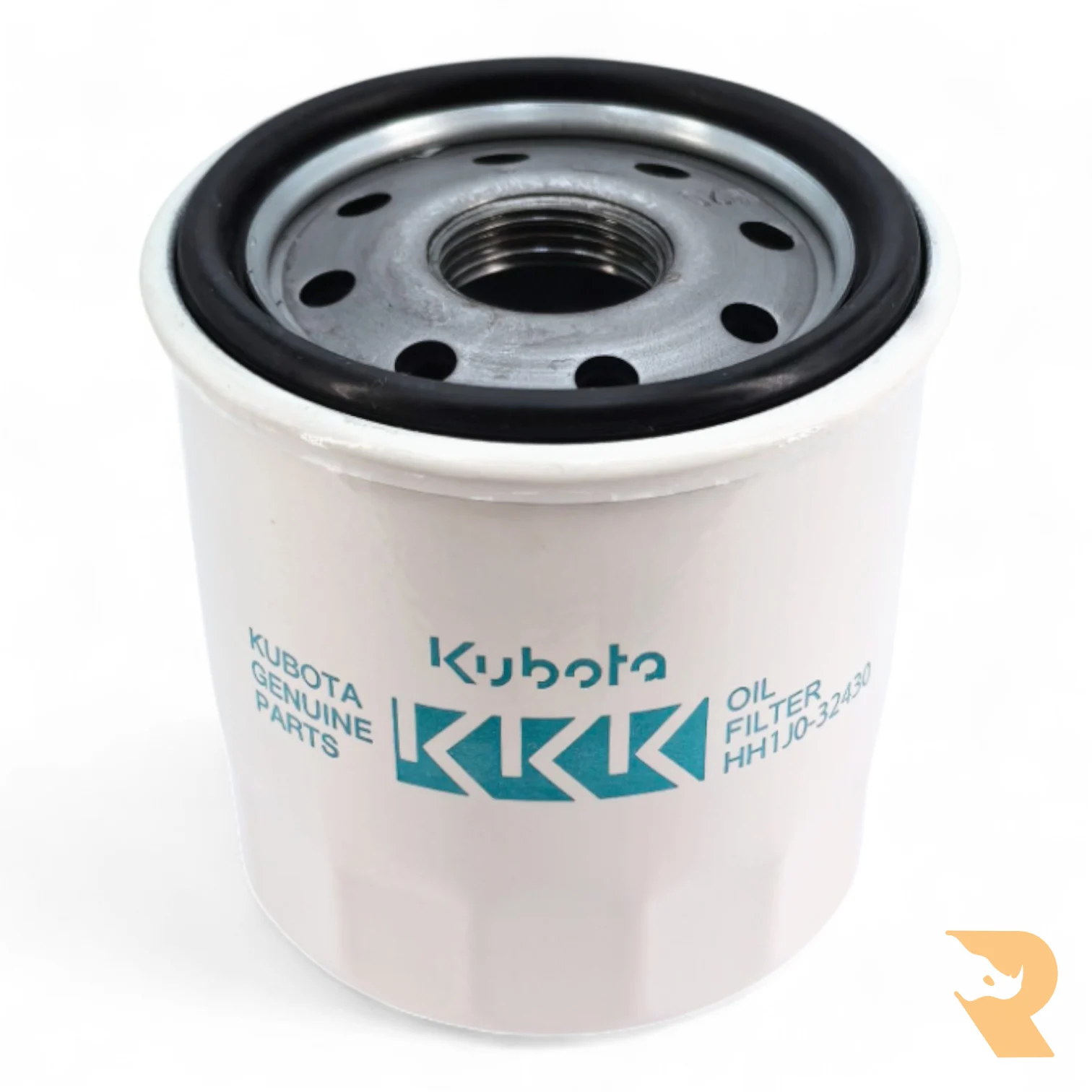
If you plan to store the excavator for many months, or have used the excavator for more than 250 hours, the engine oil should be replaced. Used engine oil contains contaminants, and if it remains in place for months, it can cause corrosion within the engine. Also check whether the filters in the engine need renewing.
You will need the right filter kit, depending on which excavator model you have.
Next, look at your fuel tank. An empty or partially full tank is bad because air inside causes condensation. Condensation is water, and water in your fuel system means rust in the tank and lines. Top the fuel tank up completely.
Diesel Engines
Use a fuel stabilizer before topping off if storing for more than a month.
Gasoline Engines
Gasoline goes stale faster. If storing for more than three months, draining the tank entirely is usually the safest bet.
Lubricate and Protect the Movement
When a machine is sitting, the grease in the joints settles or dries out. Friction points become vulnerable to air and moisture.
You need to grease every fitting on the machine. This provides an additional layer of protection for all pins, bushings, and pivot points. Continue pumping in the new grease until you see the old, dirty grease being pushed out. Pay extra attention to the boom and arm parts, and where you connect your attachments, like a digging bucket or a log grab.
After that, fire up the engine. Run the machine briefly. Move the arm, boom, and bucket fully a few times. Swing the cab a bit. This action helps distribute the new grease and hydraulic fluid across all the surfaces inside.
Protecting the Bare Metal
Anywhere the paint is scratched or the metal is bare, rust will happen first. That's a fact.
You need to examine the hydraulic cylinder rods closely. These are chromed, but they rust easily. A pit can tear a seal when you finally run the machine. Clean the exposed chrome, and then wipe the rods down with a light coat of grease or a rust inhibitor spray.
And look for paint chips on the body. A simple touch-up with matching paint creates a vital barrier. It seals the steel underneath from moisture.
Example of rust damage from improper storage – easily preventable with proper care
The Tracks and Undercarriage
The tracks and the bits underneath take the worst of the dirt and water. This area needs extra care.
As you clean, ensure that you clear all the trapped mud and stones from around the rollers and sprockets. If that stuff hardens in storage, it can cause damage when you finally move the machine.
It's also a good idea to slightly relieve the track tension for long-term storage. This takes stress off the components. And while you are down there, inspect the tracks for wear.
The Final Steps for the Battery and Exhaust
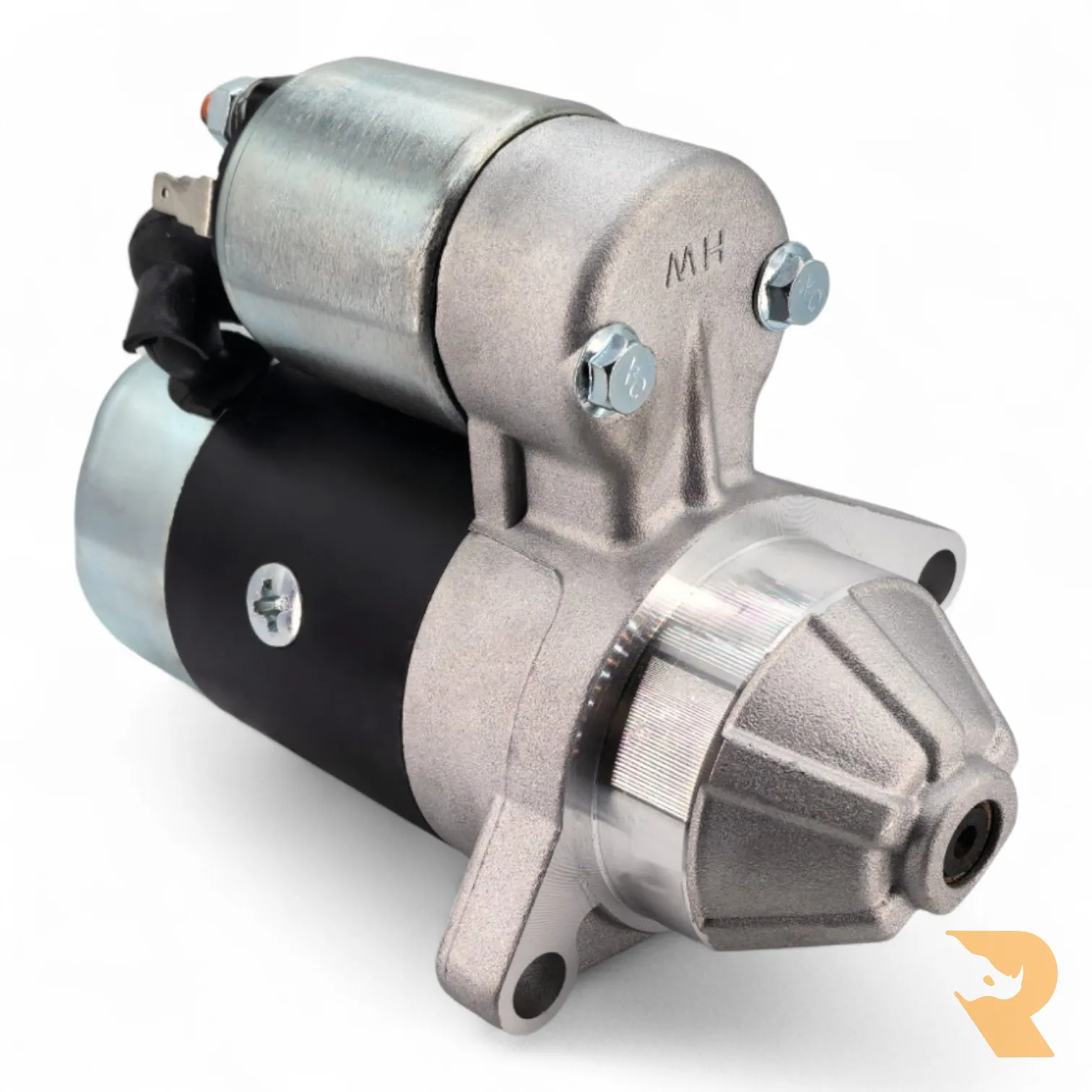
Batteries drain when they sit, especially in the cold. The easiest thing to do is disconnect the battery terminals. That prevents any small electrical draw from completely draining the battery. If your starter motor or ignition switch has been acting up, storage time is a good time to service or replace them.
If possible, remove the battery and store it in a cool, dry place, such as on a trickle charger.
Don't Forget the Exhaust!
Seal the exhaust pipe opening. Use a plastic bag secured with strong tape. This keeps moisture out and stops mice and other pests from making a warm nest inside your engine parts. It happens more than you think.
Where to Keep It
The ideal spot is a dry, indoor space, such as a garage or a shed. This protects your machine from rain, snow, and UV rays. However, if you need to store it outside, choose a location with good drainage.
Indoor Storage
• Best protection from elements
• Maintains consistent temperature
• Prevents UV damage
Outdoor Storage
• Use wood planks under tracks
• Ensure good drainage
• Cover with quality rain cover
Conclusion
Proper storage protects your investment, maintains resale value, and ensures your machine is ready to work when you are.
Explore Mini Excavators → Browse Spare Parts →