
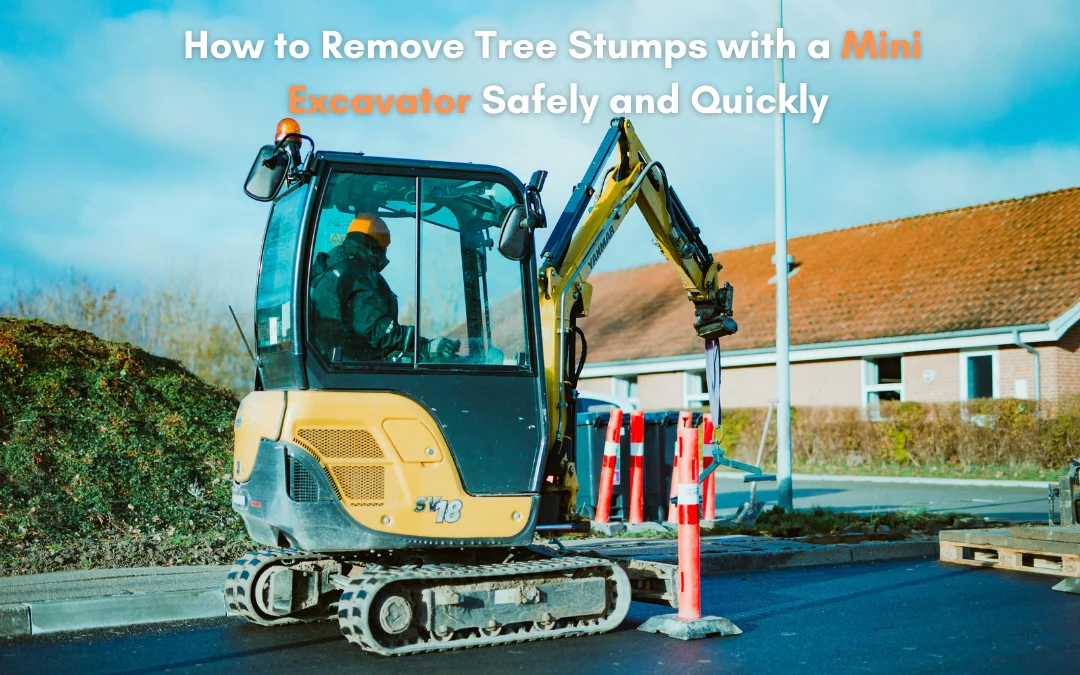
That old tree stump sits there, tripping people up and refusing to decay. The quickest way to remove it is to pull it out with a mini excavator.
This isn't just about digging a hole. It's about harnessing the machine's power and smart positioning to combat a deep root system safely.
Call Before You Dig
Before you fire up the excavator, know what's under the ground. In the US, call 811. Wait for the green light. This keeps you safe and saves you from a six-figure repair bill.
Prepping the Gear and Machine
You will need work gloves, steel-toed boots, eye protection, and earmuffs. For an average stump, a machine weighing 3,000 to 6,000 pounds is usually the proper size.
The Removal Process
This process involves exposing the roots and utilizing the excavator's hydraulic power as a giant lever.
A. Trench Around the Stump's Base
Start about a foot or two away from the stump. Dig down 18 to 24 inches to expose the largest lateral roots.
B. Sever the Anchor Roots
Use the side teeth of your digging bucket. For thick roots, use a ripper attachment.
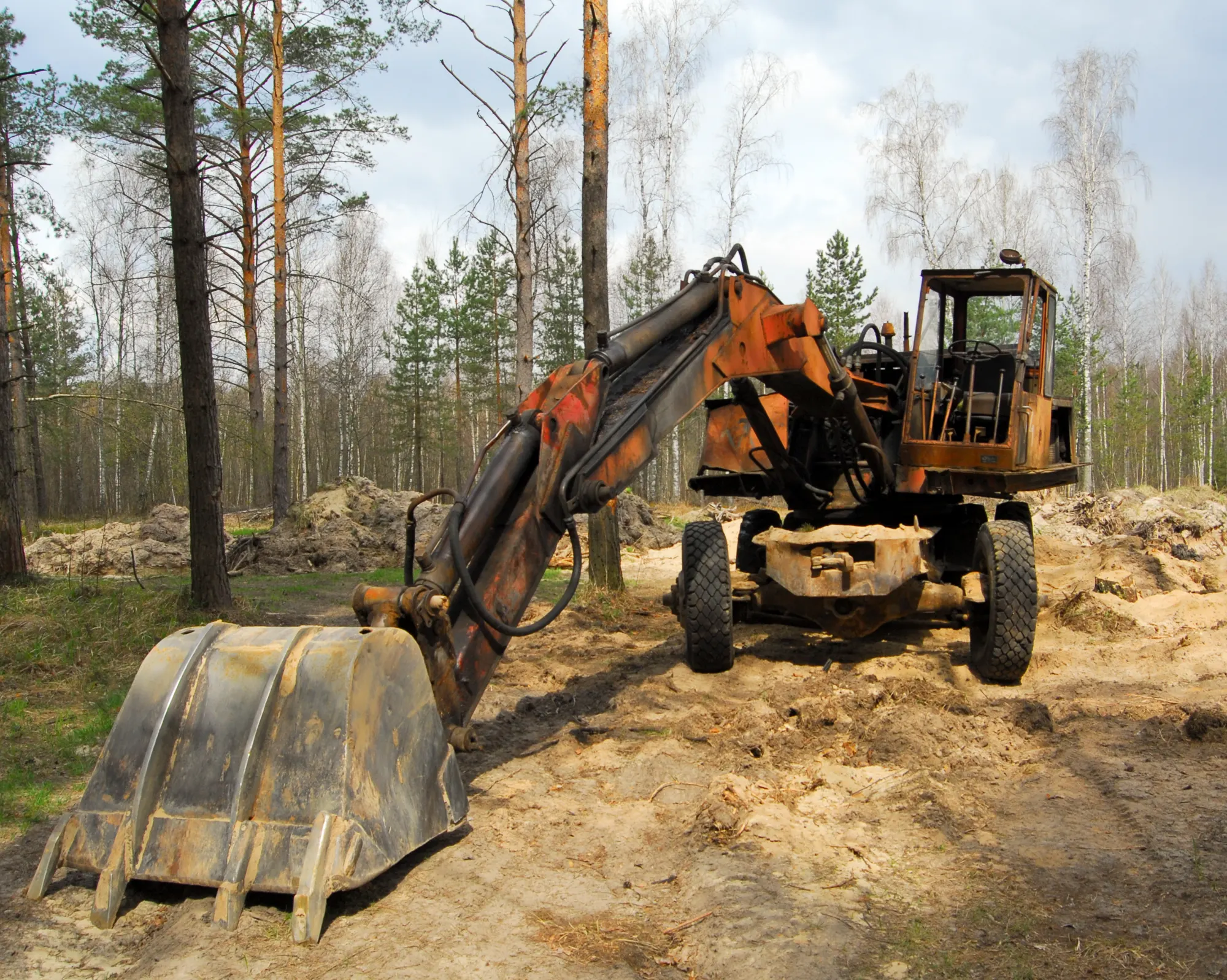
Exposing and severing anchor roots is key to successful stump removal
C. The Rock and Pry Method
Position the bucket deep under one side. Gently curl and lift. Move to opposite sides and repeat.
D. The Lift and Extract
Scoop the bucket completely underneath the root ball. Lift slowly. If the front lifts off the ground, stop and cut more roots. For massive stumps, use a log grab attachment or thumb attachment.
After the Stump is Gone
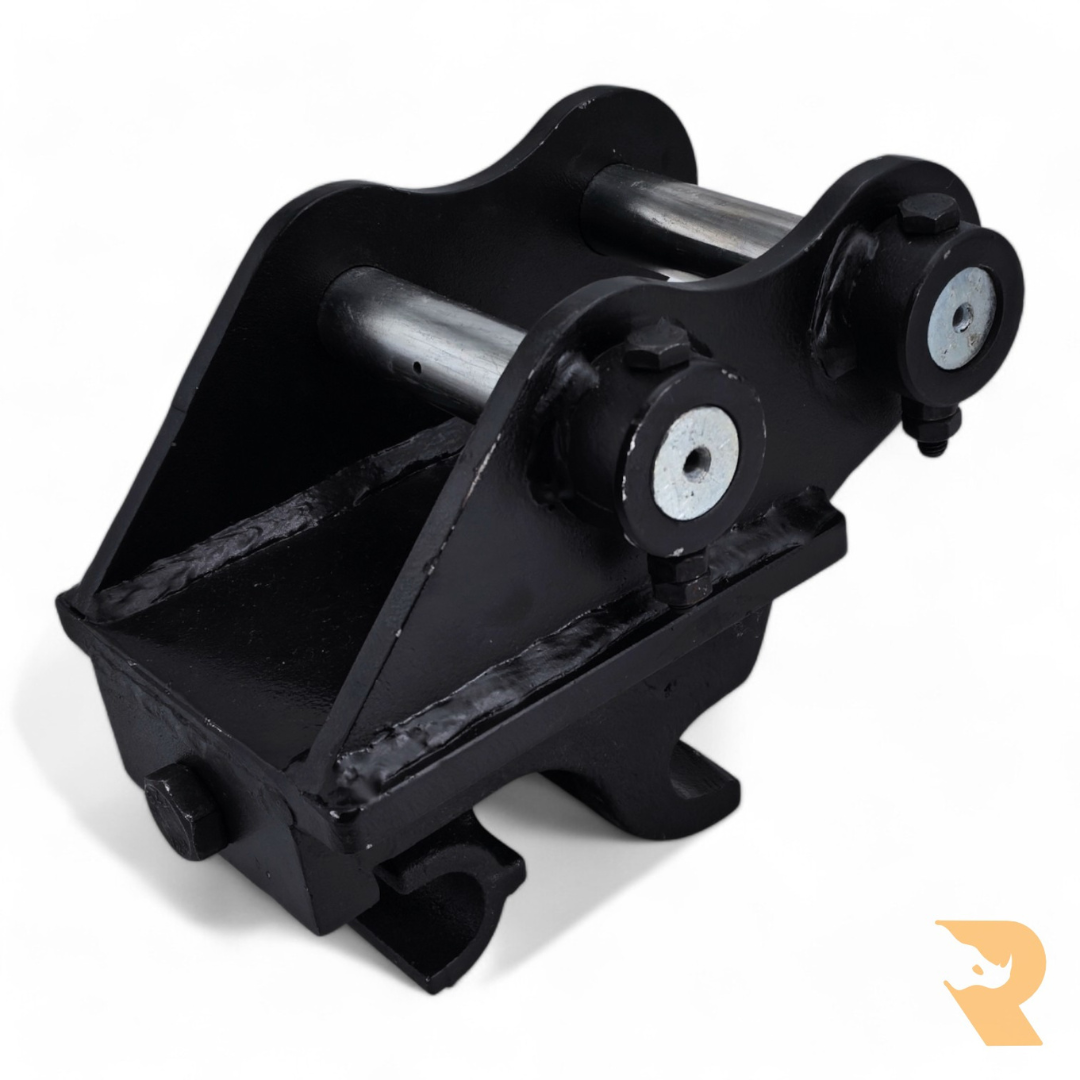
Push loose dirt back in, tamp in layers to prevent settling. Use a grading bucket for final smoothing. Consider a mechanical quick hitch for fast changes.
Final Thoughts
Using a mini excavator is being smart about the job. The key is patience—work around it first, cut roots, then use hydraulics for leverage.
Ready to Get Started?
Browse our range of mini excavators and attachments.
View Mini Excavators Browse Attachments